Melanated People Social Melanated People Social
    Pencarian Lanjutan
  • Gabung
  • Daftar

  • Modus siang
  • © {tanggal} {nama_situs}
    Tentang • Direktori • Hubungi kami • Kebijakan pribadi • Syarat Penggunaan • creating a custom page

    Pilih Bahasa

  • Arabic
  • Bengali
  • Chinese
  • Croatian
  • Danish
  • Dutch
  • English
  • Filipino
  • French
  • German
  • Hebrew
  • Hindi
  • Indonesian
  • Italian
  • Japanese
  • Korean
  • Persian
  • Portuguese
  • Russian
  • Spanish
  • Swedish
  • Turkish
  • Urdu
  • Vietnamese

Jam tangan

Jam tangan Gulungan

Acara

Jelajahi Acara Acara saya

Pasar

Produk Terbaru

halaman

Halaman Saya Halaman yang Disukai

Lagi

Forum Mengeksplorasi postingan populer Penawaran Pendanaan
Gulungan Jam tangan Acara Pasar Halaman Saya Lihat semua

Menemukan posting

Posts

Pengguna

halaman

Kelompok

Pasar

Acara

Forum

Pendanaan

Zay Fucifino
Zay Fucifino  
3 tahun

People need to be aware. Crickets are full of horsehair parasites.  This is what these psychopaths are putting into our food. Read your labels carefully. Show this video to the manager of the supermarkets you shop at so they are aware.

Only through public awareness and boycotting their food will we put an end to this insanity.

Suka
Komentar
Membagikan
avatar

BlackLuv17 ⚡⚡⚡

Where did they put that?!?!?! Every single person in that video needs to be shot in the head!!!
Ha ha
1
Suka
· Membalas · 1692588070

Hapus Komentar

Apakah Anda yakin ingin menghapus komentar ini?

Zay Fucifino
Zay Fucifino  
3 tahun

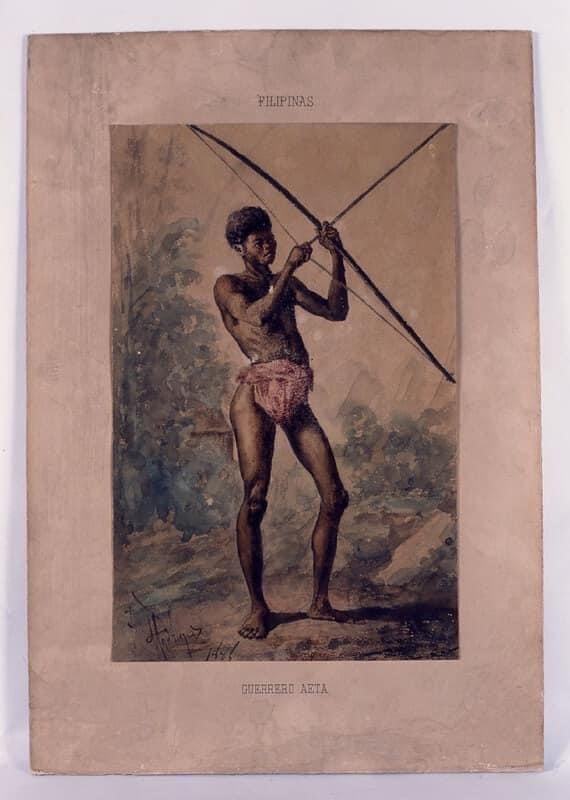
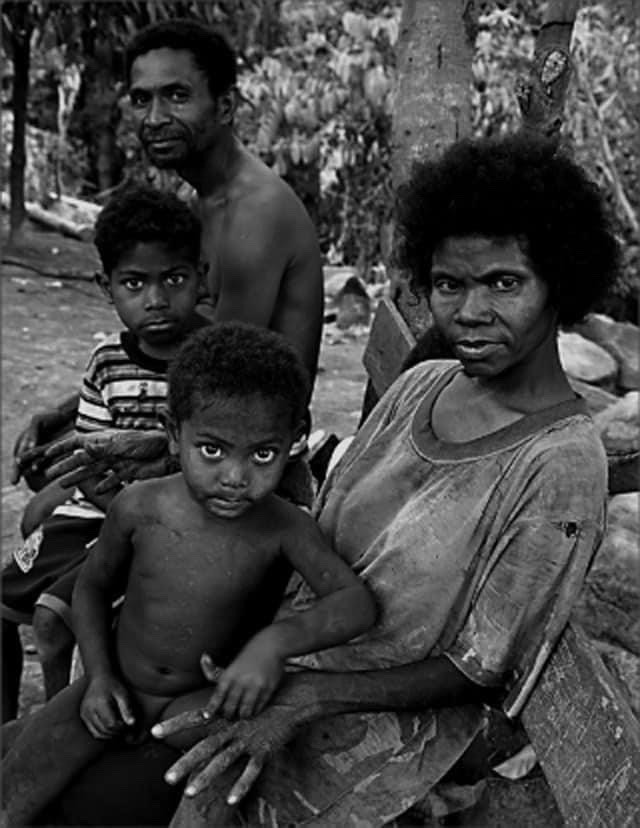
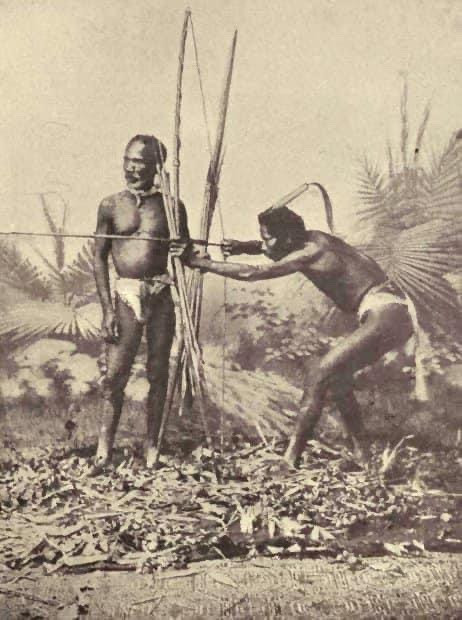
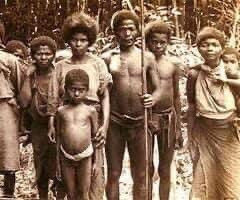
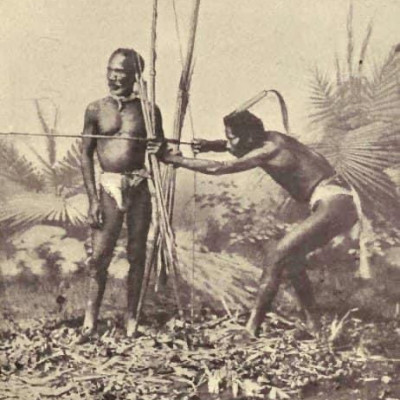
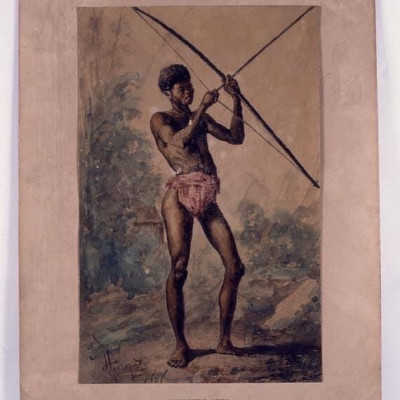
AETA PEOPLE: ONE OF THE FIRST AFRICAN NATIVES OF ASIA AND THE ORIGINAL INHABITANTS OF PHILIPPINES!

The Aetas, Agta or Ayta are the original black race (Africans) that live in scattered, isolated mountainous northern part of The Philippines on the island of Luzon before the Austronesian (Malays and Asian groups) migrations. Historians and anthropologists debate precisely when and how they migrated there, the consensus being that they crossed from the island of Borneo between 20 and 30 thousand years ago, using a land bridge that was partially covered by water around 5,000 years ago - the remaining part of which is now the island of Palawan.

Whatever the migration path was, they are without doubt among the first - if not the first - inhabitants of The Philippines. They are considered to be Negritos, who are dark to very dark brown-skinned and tend to have features such as a small stature, small frame, curly to kinky afro-like textured hair with a higher frequency of naturally lighter hair color (blondism) relative to the general population, small nose, and dark brown eyes.

image
Suka
Komentar
Membagikan
Zay Fucifino
Zay Fucifino  
3 tahun

AETA PEOPLE: ONE OF THE FIRST AFRICAN NATIVES OF ASIA AND THE ORIGINAL INHABITANTS OF PHILIPPINES!

The Aetas, Agta or Ayta are the original black race (Africans) that live in scattered, isolated mountainous northern part of The Philippines on the island of Luzon before the Austronesian (Malays and Asian groups) migrations. Historians and anthropologists debate precisely when and how they migrated there, the consensus being that they crossed from the island of Borneo between 20 and 30 thousand years ago, using a land bridge that was partially covered by water around 5,000 years ago - the remaining part of which is now the island of Palawan.

Whatever the migration path was, they are without doubt among the first - if not the first - inhabitants of The Philippines. They are considered to be Negritos, who are dark to very dark brown-skinned and tend to have features such as a small stature, small frame, curly to kinky afro-like textured hair with a higher frequency of naturally lighter hair color (blondism) relative to the general population, small nose, and dark brown eyes.

image
Suka
Komentar
Membagikan
Zay Fucifino
Zay Fucifino  
3 tahun

AETA PEOPLE: ONE OF THE FIRST AFRICAN NATIVES OF ASIA AND THE ORIGINAL INHABITANTS OF PHILIPPINES!

The Aetas, Agta or Ayta are the original black race (Africans) that live in scattered, isolated mountainous northern part of The Philippines on the island of Luzon before the Austronesian (Malays and Asian groups) migrations. Historians and anthropologists debate precisely when and how they migrated there, the consensus being that they crossed from the island of Borneo between 20 and 30 thousand years ago, using a land bridge that was partially covered by water around 5,000 years ago - the remaining part of which is now the island of Palawan.

Whatever the migration path was, they are without doubt among the first - if not the first - inhabitants of The Philippines. They are considered to be Negritos, who are dark to very dark brown-skinned and tend to have features such as a small stature, small frame, curly to kinky afro-like textured hair with a higher frequency of naturally lighter hair color (blondism) relative to the general population, small nose, and dark brown eyes.

image
Suka
Komentar
Membagikan
Zay Fucifino
Zay Fucifino  
3 tahun

AETA PEOPLE: ONE OF THE FIRST AFRICAN NATIVES OF ASIA AND THE ORIGINAL INHABITANTS OF PHILIPPINES!

The Aetas, Agta or Ayta are the original black race (Africans) that live in scattered, isolated mountainous northern part of The Philippines on the island of Luzon before the Austronesian (Malays and Asian groups) migrations. Historians and anthropologists debate precisely when and how they migrated there, the consensus being that they crossed from the island of Borneo between 20 and 30 thousand years ago, using a land bridge that was partially covered by water around 5,000 years ago - the remaining part of which is now the island of Palawan.

Whatever the migration path was, they are without doubt among the first - if not the first - inhabitants of The Philippines. They are considered to be Negritos, who are dark to very dark brown-skinned and tend to have features such as a small stature, small frame, curly to kinky afro-like textured hair with a higher frequency of naturally lighter hair color (blondism) relative to the general population, small nose, and dark brown eyes.

image
Suka
Komentar
Membagikan
Zay Fucifino
Zay Fucifino  
3 tahun

AETA PEOPLE: ONE OF THE FIRST AFRICAN NATIVES OF ASIA AND THE ORIGINAL INHABITANTS OF PHILIPPINES!

The Aetas, Agta or Ayta are the original black race (Africans) that live in scattered, isolated mountainous northern part of The Philippines on the island of Luzon before the Austronesian (Malays and Asian groups) migrations. Historians and anthropologists debate precisely when and how they migrated there, the consensus being that they crossed from the island of Borneo between 20 and 30 thousand years ago, using a land bridge that was partially covered by water around 5,000 years ago - the remaining part of which is now the island of Palawan.

Whatever the migration path was, they are without doubt among the first - if not the first - inhabitants of The Philippines. They are considered to be Negritos, who are dark to very dark brown-skinned and tend to have features such as a small stature, small frame, curly to kinky afro-like textured hair with a higher frequency of naturally lighter hair color (blondism) relative to the general population, small nose, and dark brown eyes.

image
image
image
image
Suka
Komentar
Membagikan
Zay Fucifino
Zay Fucifino  
3 tahun

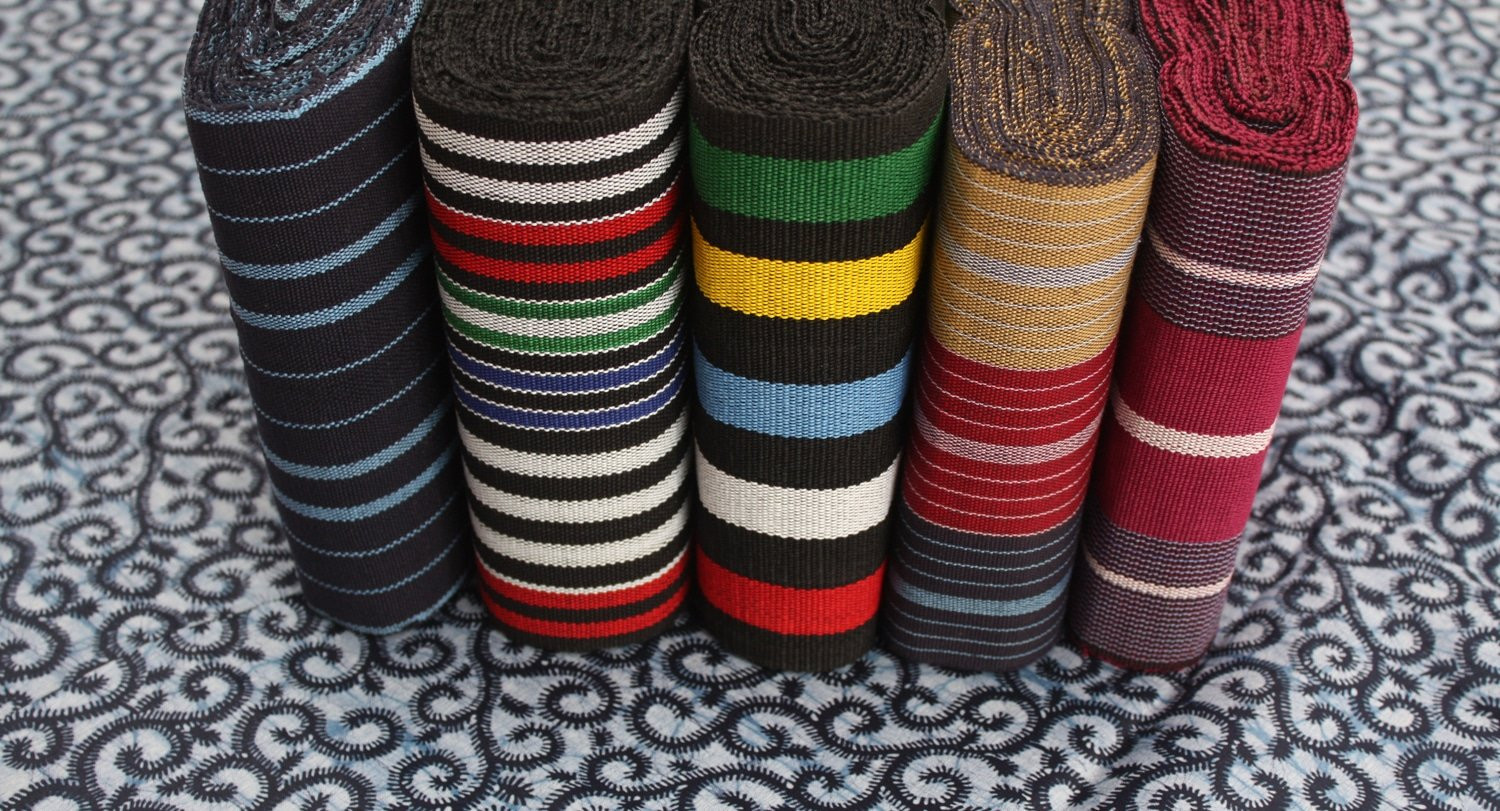
Aso Oke is a traditional handwoven fabric that holds great significance in Nigerian culture, particularly among the Yoruba people. The term "Aso Oke" translates to "top cloth" in the Yoruba language, highlighting its status as a prestigious fabric often worn for special occasions and celebrations.

The art of creating Aso Oke has been passed down through generations, with skilled weavers meticulously crafting the fabric on narrow wooden looms. It is typically made from locally sourced cotton or silk yarns, which are spun, dyed, and then woven into intricate patterns and designs.

The patterns and colors of Aso Oke hold symbolic meaning, representing different themes such as prosperity, fertility, spirituality, or social status. The fabric is often characterized by vibrant hues, bold geometric motifs, and intricate detailing, showcasing the rich artistic heritage of the Yoruba people.

Aso Oke is widely worn during significant cultural events like weddings, naming ceremonies, and festivals. It adorns both men and women, with women often draping it as wrappers (iro) or using it to create elaborate headties (gele), while men commonly wear it as robes (agbada) or caps (fila).

In addition to its cultural significance, Aso Oke has gained international recognition for its beauty and craftsmanship. It has become a source of pride and identity for Nigerians, and its popularity continues to grow as a symbol of African heritage and fashion.

image
Suka
Komentar
Membagikan
Zay Fucifino
Zay Fucifino  
3 tahun

The prettiest people do the ugliest things
For the road to riches and diamond rings.

We shine because they hate us,
floss 'cause they degrade us

We tryna buy back our 40 acres.

And for that paper,
look how low we'll stoop
Even if you in a Benz,
you still a nigga in a coupe.

Suka
Komentar
Membagikan
Anita Revillot
Anita Revillot  
3 tahun

https://www.facebook.com/reel/....3576873339234900?fs=

Suka
Komentar
Membagikan
Zay Fucifino
Zay Fucifino  
3 tahun

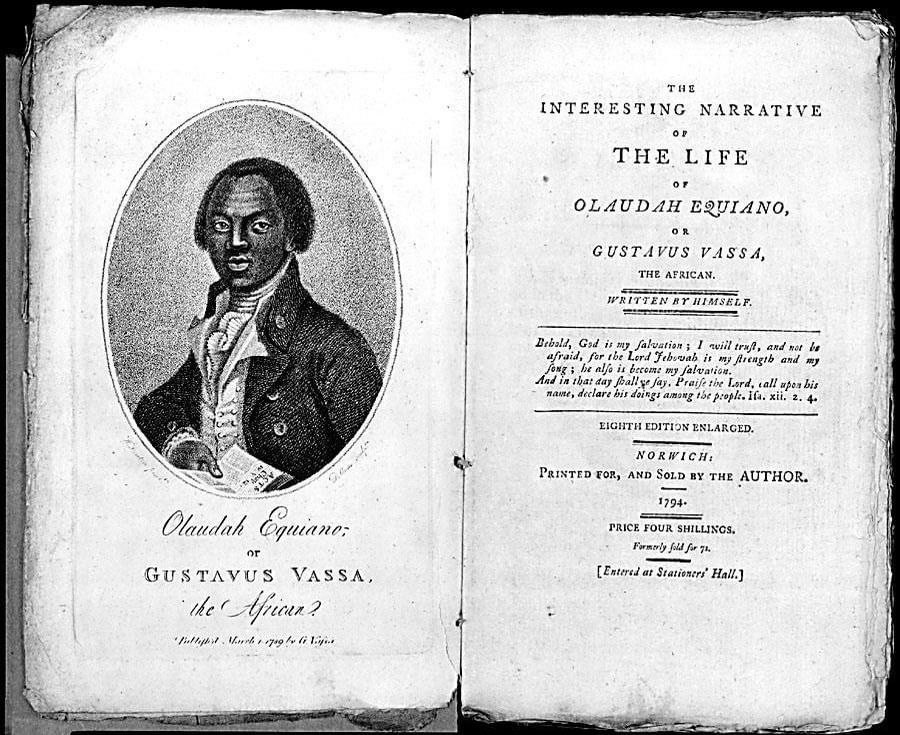
"DREAD AND TREMBLING!" : Olaudah Equiano offers a first- hand account of his arrival in the Caribbean in 1756.

"As the vessel drew nearer, we plainly saw the harbor and other ships of different kinds and sizes and we soon anchored amongst them off Bridgetown. Many merchants and planters came on board. They put us in separate parcels and examined us attentively. They also made us jump, and pointed to the land, signifying we were to go there. We thought by this we should be eaten by these ugly men, as they appeared to us. When soon after we were all put down under the deck again, there was much dread and trembling among us and nothing but bitter cries to be heard all the night from the apprehensions. At last the white people got some old slaves from the land to pacify us. They told us we were not to be eaten, but to work, and were soon to go on land, where we should see many of our country people. This report eased us much, and sure enough, soon after we landed, there came to us Africans of all languages. We were conducted immediately to the merchant's yard, where we were all pent up together, like so many sheep in a fold, without regard to sex or age. As every object was new to me, everything I saw filled me with surprise. What struck me first was that the houses were built with bricks and stories, and in every respect different from those I had seen in Africa, but I was still more astonished to see people on horseback. I did not know what this could mean, and indeed I thought these people were full of nothing but magical arts. While I was in this astonishment, one of my fellow prisoners spoke to a countryman of his about the horses who said they were the same kind they had in their country. I understood them, though they were from a distant part of Africa and I thought it odd I had not seen any horses there; but afterwards when I came to converse with different Africans, I found they had many horses amongst them, and much larger than those I then saw. We were not many days in the merchant's custody, before we were sold after their usual manner. On a signal given, (as the beat of a drum), buyers rush at once into the yard where the slaves are confined, and make a choice of that parcel they like best. The noise and clamor with which this is attended, and the eagerness visible in the countenances of the buyers, serve not a little to increase the apprehension of terrified Africans. In this manner, without scruple, are relations and friends separated, most of them never to see each other again. I remember in the vessel in which I was brought over there were several brothers who, in the sale, were sold in different lots; and it was very moving on this occasion, to see and hear their cries in parting."

Source: The Interesting Narrative of the Life of Olaudah Equiano or Gustavus Vassa the African (London, 1789).

image
Suka
Komentar
Membagikan
Showing 16316 out of 21235
  • 16312
  • 16313
  • 16314
  • 16315
  • 16316
  • 16317
  • 16318
  • 16319
  • 16320
  • 16321
  • 16322
  • 16323
  • 16324
  • 16325
  • 16326
  • 16327
  • 16328
  • 16329
  • 16330
  • 16331

Sunting Penawaran

Tambahkan tingkat


Pilih gambar
Hapus tingkat Anda
Anda yakin ingin menghapus tingkat ini?

Ulasan

Untuk menjual konten dan postingan Anda, mulailah dengan membuat beberapa paket. Monetisasi

Bayar Dengan Dompet

Peringatan Pembayaran

Anda akan membeli item, apakah Anda ingin melanjutkan?

Minta Pengembalian Dana