
Mfers out here shopping like it's COVID again.
Newsflash asshats, y'all buying shit that ain't coming through the docks.
Мне нравится
Комментарий
Перепост
Mfers out here shopping like it's COVID again.
Newsflash asshats, y'all buying shit that ain't coming through the docks.



fake bags we442 | #fake bags online

A Black woman that is nothing more than an evil creature, a creature of "the hood."
Exhibit A.
https://scoopzapp.com/n/0uXYch....SV?pd=0JdLXUnj&l
fake bags ql830 | #fake bags online
fake bags ut637 | #fake bags
fake bags online qo782 | #replica bags
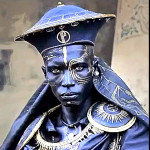
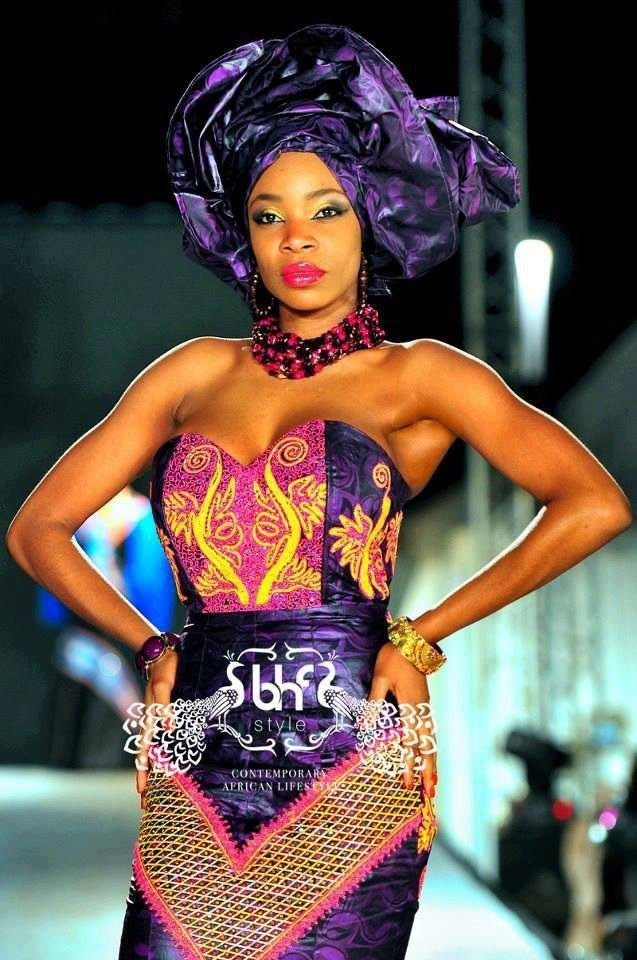
Gele, This is what I grew up with and it's still so today. From my Grand Mother, Mother, Wife, Sisters, Aunts, Neices, Cousins, Friends etc.
Head wraps have served as a head cover for Africans, mostly women, since at least the early 1700s. According to Danya London Fashions For All, a group of African slave women appear in a 1707 painting that was created by Dirk Valkenburg, a Danish painter, that depicted them wearing head wraps that appeared high on the forehead and above the ears. However, it is believed that African cultures used head wraps before the days of slavery so that men could show off their wealth and the level of their social status and so that women could prove that they were prosperous and spiritual
African head wraps come in many bright bold colors that animate the face. According to Africa Imports African Business, in West Africa, head wraps are referred to as “gele” in Yoruba or “ichafu” in Ibo. Some African American women continue to wear head wraps to boast their spiritual strength.
Egypt
Many of the headdresses worn by Egyptian royalty had their roots in Nubian culture. The “Nubian wig” purposefully resembled the thick hair of Nubian people. Depictions from the 18th Dynasty show both Kiya, a secondary wife of Pharaoh Akhenaten, and Tiye, the mother of Akhenaten and Great Royal Wife of Pharaoh Amenhotep III, wearing this headdress. Queens during the Amarna era typically wore the “khat,” a single-colored headcloth.
Nubia
Ancient Nubian queens wore headdresses more than head wraps. Some headdresses consisted of elaborate fabrics and flowers woven together. Another headdress had the appearance of a vulture, later referred to as the Egyptian double crown and worn by Egyptian queens during the New Kingdom era.
Nigeria
“Gele” refers to the Yoruba word for the head wrap commonly associated with Nigeria and West Africa. Both common women and royal queens wore the gele in ancient times, but queens had wraps made of finer material, such as damask — often used for special occasions and worn with a shawl — and colorful aso-oke, material made of silk.
Originally the head-wrap, or turban, was worn by both enslaved men and women. In time, however, it became almost exclusively a female accessory. In the photograph above, the women wear head-wraps, while the men wear hats.
For their white European masters, the slaves’ head-wraps were signs of poverty and subordination. Accounts of clothing distribution show that masters sometimes allotted extra handkerchiefs to their female slaves, ostensibly to be used as head coverings. In fact, in certain areas of the South, legislation appeared that required Afrakan women to wear their hair bound up in this manner.
The head-wrap, however, was more than a badge of enslavement imposed on female slaves by their owners. Embellishment of the head and hair was a central component of dress in various parts of Africa, particularly in West Africa. From the time European fabrics were made available to them, African women wore head-wraps similar to those worn by their enslaved counterparts in America. For these women, the wrap, which varied in form from region to region, signified communal identity. At the same time, the particular appearance of an individual head-wrap was an expression of personal identity.
In America, the head-wrap was a utilitarian item, which kept the slave’s hair protected from the elements in which she worked and helped to curb the spread of lice. Yet, as in Africa, the head-wrap also created community — as an item shared by female slaves — and individuality, as a thing unique to the wearer. Cassandra Stancil, enslaved in her youth, insisted that she never asked another woman how to tie her head-scarf. “I always figured I could do it,” she said, “I could try and experiment and if not get that, get something that I liked.”
The head-wrap was an object of oppression from one vantage point. But from the other, the perspective of the slave community, it was a vehicle of empowerment and a memento of freedom.
The headwrap which originated in sub-Saharan Africa carried symbolic meaning in reference to spirituality, wealth, prosperity and class. It later took on a prominent identity in the times of the slavery in America and thereafter continued to be a fashionable but conscientious statement for women of African origin.
The colorful wraps also kept a person eyes to the face of a woman and not her body!
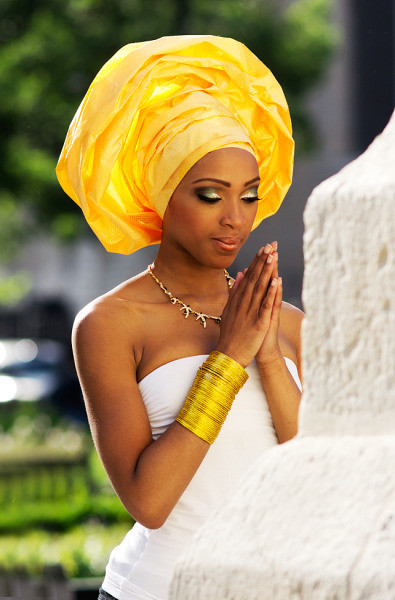
Gele, This is what I grew up with and it's still so today. From my Grand Mother, Mother, Wife, Sisters, Aunts, Neices, Cousins, Friends etc.
Head wraps have served as a head cover for Africans, mostly women, since at least the early 1700s. According to Danya London Fashions For All, a group of African slave women appear in a 1707 painting that was created by Dirk Valkenburg, a Danish painter, that depicted them wearing head wraps that appeared high on the forehead and above the ears. However, it is believed that African cultures used head wraps before the days of slavery so that men could show off their wealth and the level of their social status and so that women could prove that they were prosperous and spiritual
African head wraps come in many bright bold colors that animate the face. According to Africa Imports African Business, in West Africa, head wraps are referred to as “gele” in Yoruba or “ichafu” in Ibo. Some African American women continue to wear head wraps to boast their spiritual strength.
Egypt
Many of the headdresses worn by Egyptian royalty had their roots in Nubian culture. The “Nubian wig” purposefully resembled the thick hair of Nubian people. Depictions from the 18th Dynasty show both Kiya, a secondary wife of Pharaoh Akhenaten, and Tiye, the mother of Akhenaten and Great Royal Wife of Pharaoh Amenhotep III, wearing this headdress. Queens during the Amarna era typically wore the “khat,” a single-colored headcloth.
Nubia
Ancient Nubian queens wore headdresses more than head wraps. Some headdresses consisted of elaborate fabrics and flowers woven together. Another headdress had the appearance of a vulture, later referred to as the Egyptian double crown and worn by Egyptian queens during the New Kingdom era.
Nigeria
“Gele” refers to the Yoruba word for the head wrap commonly associated with Nigeria and West Africa. Both common women and royal queens wore the gele in ancient times, but queens had wraps made of finer material, such as damask — often used for special occasions and worn with a shawl — and colorful aso-oke, material made of silk.
Originally the head-wrap, or turban, was worn by both enslaved men and women. In time, however, it became almost exclusively a female accessory. In the photograph above, the women wear head-wraps, while the men wear hats.
For their white European masters, the slaves’ head-wraps were signs of poverty and subordination. Accounts of clothing distribution show that masters sometimes allotted extra handkerchiefs to their female slaves, ostensibly to be used as head coverings. In fact, in certain areas of the South, legislation appeared that required Afrakan women to wear their hair bound up in this manner.
The head-wrap, however, was more than a badge of enslavement imposed on female slaves by their owners. Embellishment of the head and hair was a central component of dress in various parts of Africa, particularly in West Africa. From the time European fabrics were made available to them, African women wore head-wraps similar to those worn by their enslaved counterparts in America. For these women, the wrap, which varied in form from region to region, signified communal identity. At the same time, the particular appearance of an individual head-wrap was an expression of personal identity.
In America, the head-wrap was a utilitarian item, which kept the slave’s hair protected from the elements in which she worked and helped to curb the spread of lice. Yet, as in Africa, the head-wrap also created community — as an item shared by female slaves — and individuality, as a thing unique to the wearer. Cassandra Stancil, enslaved in her youth, insisted that she never asked another woman how to tie her head-scarf. “I always figured I could do it,” she said, “I could try and experiment and if not get that, get something that I liked.”
The head-wrap was an object of oppression from one vantage point. But from the other, the perspective of the slave community, it was a vehicle of empowerment and a memento of freedom.
The headwrap which originated in sub-Saharan Africa carried symbolic meaning in reference to spirituality, wealth, prosperity and class. It later took on a prominent identity in the times of the slavery in America and thereafter continued to be a fashionable but conscientious statement for women of African origin.
The colorful wraps also kept a person eyes to the face of a woman and not her body!
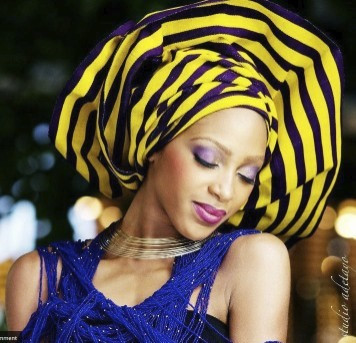
Gele, This is what I grew up with and it's still so today. From my Grand Mother, Mother, Wife, Sisters, Aunts, Neices, Cousins, Friends etc.
Head wraps have served as a head cover for Africans, mostly women, since at least the early 1700s. According to Danya London Fashions For All, a group of African slave women appear in a 1707 painting that was created by Dirk Valkenburg, a Danish painter, that depicted them wearing head wraps that appeared high on the forehead and above the ears. However, it is believed that African cultures used head wraps before the days of slavery so that men could show off their wealth and the level of their social status and so that women could prove that they were prosperous and spiritual
African head wraps come in many bright bold colors that animate the face. According to Africa Imports African Business, in West Africa, head wraps are referred to as “gele” in Yoruba or “ichafu” in Ibo. Some African American women continue to wear head wraps to boast their spiritual strength.
Egypt
Many of the headdresses worn by Egyptian royalty had their roots in Nubian culture. The “Nubian wig” purposefully resembled the thick hair of Nubian people. Depictions from the 18th Dynasty show both Kiya, a secondary wife of Pharaoh Akhenaten, and Tiye, the mother of Akhenaten and Great Royal Wife of Pharaoh Amenhotep III, wearing this headdress. Queens during the Amarna era typically wore the “khat,” a single-colored headcloth.
Nubia
Ancient Nubian queens wore headdresses more than head wraps. Some headdresses consisted of elaborate fabrics and flowers woven together. Another headdress had the appearance of a vulture, later referred to as the Egyptian double crown and worn by Egyptian queens during the New Kingdom era.
Nigeria
“Gele” refers to the Yoruba word for the head wrap commonly associated with Nigeria and West Africa. Both common women and royal queens wore the gele in ancient times, but queens had wraps made of finer material, such as damask — often used for special occasions and worn with a shawl — and colorful aso-oke, material made of silk.
Originally the head-wrap, or turban, was worn by both enslaved men and women. In time, however, it became almost exclusively a female accessory. In the photograph above, the women wear head-wraps, while the men wear hats.
For their white European masters, the slaves’ head-wraps were signs of poverty and subordination. Accounts of clothing distribution show that masters sometimes allotted extra handkerchiefs to their female slaves, ostensibly to be used as head coverings. In fact, in certain areas of the South, legislation appeared that required Afrakan women to wear their hair bound up in this manner.
The head-wrap, however, was more than a badge of enslavement imposed on female slaves by their owners. Embellishment of the head and hair was a central component of dress in various parts of Africa, particularly in West Africa. From the time European fabrics were made available to them, African women wore head-wraps similar to those worn by their enslaved counterparts in America. For these women, the wrap, which varied in form from region to region, signified communal identity. At the same time, the particular appearance of an individual head-wrap was an expression of personal identity.
In America, the head-wrap was a utilitarian item, which kept the slave’s hair protected from the elements in which she worked and helped to curb the spread of lice. Yet, as in Africa, the head-wrap also created community — as an item shared by female slaves — and individuality, as a thing unique to the wearer. Cassandra Stancil, enslaved in her youth, insisted that she never asked another woman how to tie her head-scarf. “I always figured I could do it,” she said, “I could try and experiment and if not get that, get something that I liked.”
The head-wrap was an object of oppression from one vantage point. But from the other, the perspective of the slave community, it was a vehicle of empowerment and a memento of freedom.
The headwrap which originated in sub-Saharan Africa carried symbolic meaning in reference to spirituality, wealth, prosperity and class. It later took on a prominent identity in the times of the slavery in America and thereafter continued to be a fashionable but conscientious statement for women of African origin.
The colorful wraps also kept a person eyes to the face of a woman and not her body!
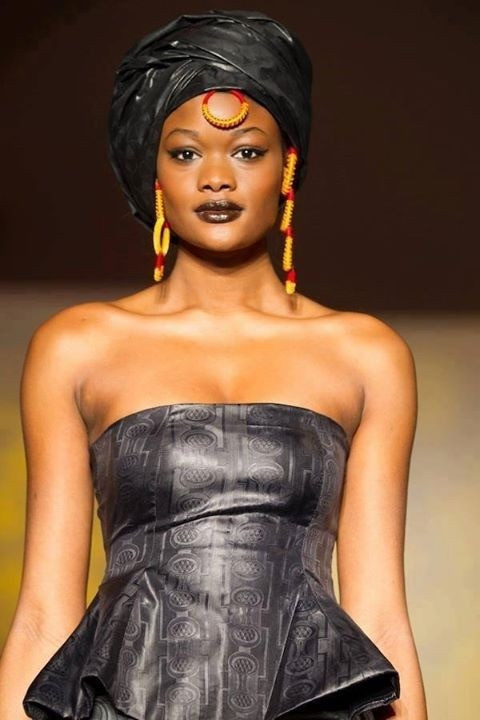
Gele, This is what I grew up with and it's still so today. From my Grand Mother, Mother, Wife, Sisters, Aunts, Neices, Cousins, Friends etc.
Head wraps have served as a head cover for Africans, mostly women, since at least the early 1700s. According to Danya London Fashions For All, a group of African slave women appear in a 1707 painting that was created by Dirk Valkenburg, a Danish painter, that depicted them wearing head wraps that appeared high on the forehead and above the ears. However, it is believed that African cultures used head wraps before the days of slavery so that men could show off their wealth and the level of their social status and so that women could prove that they were prosperous and spiritual
African head wraps come in many bright bold colors that animate the face. According to Africa Imports African Business, in West Africa, head wraps are referred to as “gele” in Yoruba or “ichafu” in Ibo. Some African American women continue to wear head wraps to boast their spiritual strength.
Egypt
Many of the headdresses worn by Egyptian royalty had their roots in Nubian culture. The “Nubian wig” purposefully resembled the thick hair of Nubian people. Depictions from the 18th Dynasty show both Kiya, a secondary wife of Pharaoh Akhenaten, and Tiye, the mother of Akhenaten and Great Royal Wife of Pharaoh Amenhotep III, wearing this headdress. Queens during the Amarna era typically wore the “khat,” a single-colored headcloth.
Nubia
Ancient Nubian queens wore headdresses more than head wraps. Some headdresses consisted of elaborate fabrics and flowers woven together. Another headdress had the appearance of a vulture, later referred to as the Egyptian double crown and worn by Egyptian queens during the New Kingdom era.
Nigeria
“Gele” refers to the Yoruba word for the head wrap commonly associated with Nigeria and West Africa. Both common women and royal queens wore the gele in ancient times, but queens had wraps made of finer material, such as damask — often used for special occasions and worn with a shawl — and colorful aso-oke, material made of silk.
Originally the head-wrap, or turban, was worn by both enslaved men and women. In time, however, it became almost exclusively a female accessory. In the photograph above, the women wear head-wraps, while the men wear hats.
For their white European masters, the slaves’ head-wraps were signs of poverty and subordination. Accounts of clothing distribution show that masters sometimes allotted extra handkerchiefs to their female slaves, ostensibly to be used as head coverings. In fact, in certain areas of the South, legislation appeared that required Afrakan women to wear their hair bound up in this manner.
The head-wrap, however, was more than a badge of enslavement imposed on female slaves by their owners. Embellishment of the head and hair was a central component of dress in various parts of Africa, particularly in West Africa. From the time European fabrics were made available to them, African women wore head-wraps similar to those worn by their enslaved counterparts in America. For these women, the wrap, which varied in form from region to region, signified communal identity. At the same time, the particular appearance of an individual head-wrap was an expression of personal identity.
In America, the head-wrap was a utilitarian item, which kept the slave’s hair protected from the elements in which she worked and helped to curb the spread of lice. Yet, as in Africa, the head-wrap also created community — as an item shared by female slaves — and individuality, as a thing unique to the wearer. Cassandra Stancil, enslaved in her youth, insisted that she never asked another woman how to tie her head-scarf. “I always figured I could do it,” she said, “I could try and experiment and if not get that, get something that I liked.”
The head-wrap was an object of oppression from one vantage point. But from the other, the perspective of the slave community, it was a vehicle of empowerment and a memento of freedom.
The headwrap which originated in sub-Saharan Africa carried symbolic meaning in reference to spirituality, wealth, prosperity and class. It later took on a prominent identity in the times of the slavery in America and thereafter continued to be a fashionable but conscientious statement for women of African origin.
The colorful wraps also kept a person eyes to the face of a woman and not her body!


Zay Fucifino
Удалить комментарий
Вы уверены, что хотите удалить этот комментарий?