Melanated People Social Melanated People Social
    Erweiterte Suche
  • Anmelden
  • Registrieren

  • Tagesmodus
  • © 2026 Melanated People Social
    Über Uns • Verzeichnis • Kontaktiere uns • Datenschutz • Nutzungsbedingungen • creating a custom page

    Wählen Sprache

  • Arabic
  • Bengali
  • Chinese
  • Croatian
  • Danish
  • Dutch
  • English
  • Filipino
  • French
  • German
  • Hebrew
  • Hindi
  • Indonesian
  • Italian
  • Japanese
  • Korean
  • Persian
  • Portuguese
  • Russian
  • Spanish
  • Swedish
  • Turkish
  • Urdu
  • Vietnamese

Betrachten

Betrachten Rollen

Veranstaltungen

Events durchsuchen Meine ereignisse

Markt

Neueste Produkte

Seiten

Meine Seiten Gefallene Seiten

mehr

Forum Erforschen Beliebte Beiträge Bietet an Förderungen
Rollen Betrachten Veranstaltungen Markt Meine Seiten Alles sehen

Entdecken Beiträge

Posts

Benutzer

Seiten

Gruppe

Markt

Veranstaltungen

Forum

Förderungen

createss kai
createss kai    geteilt a  beitrag
2 Jahre

Zay Fucifino
Zay Fucifino  
2 Jahre

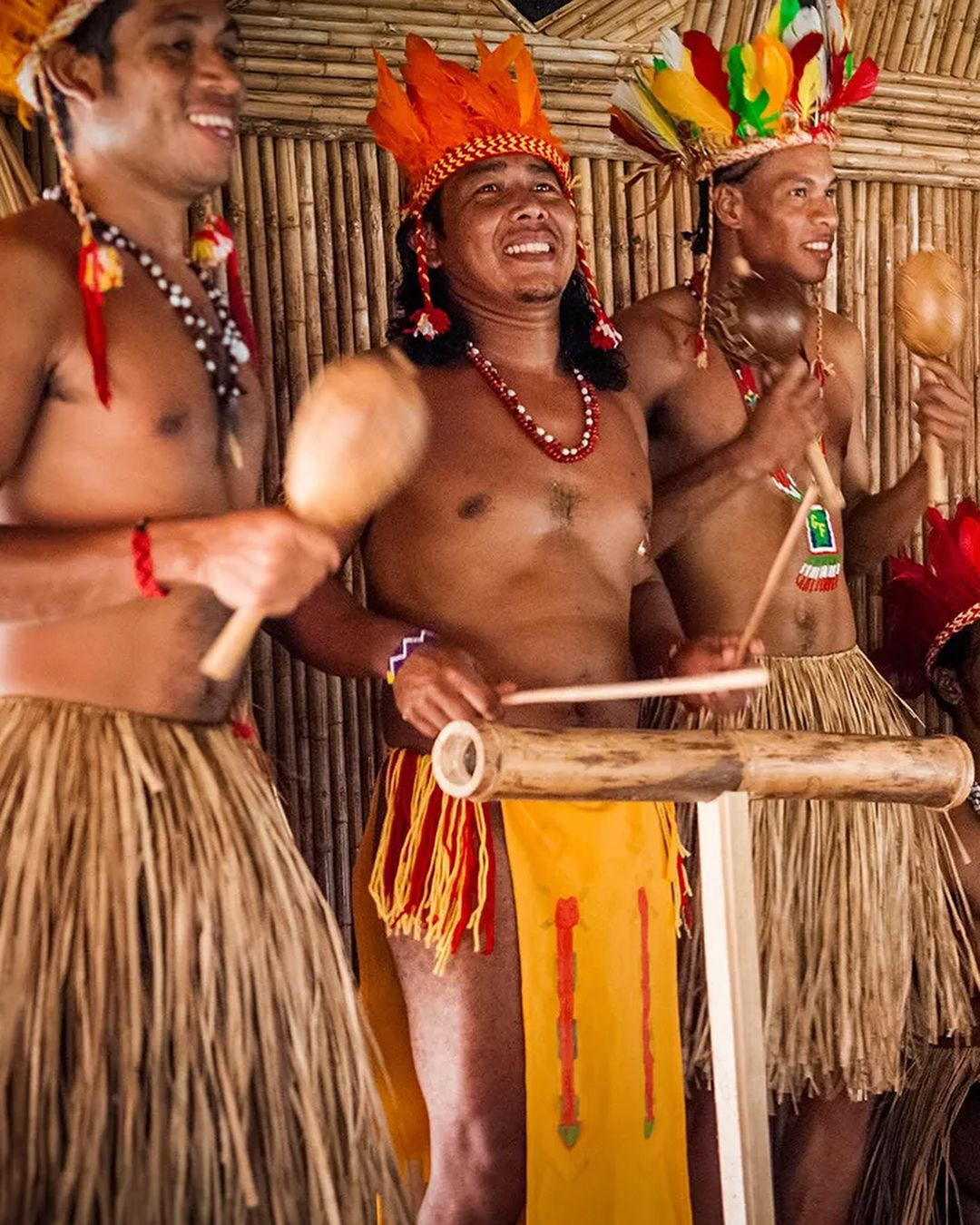
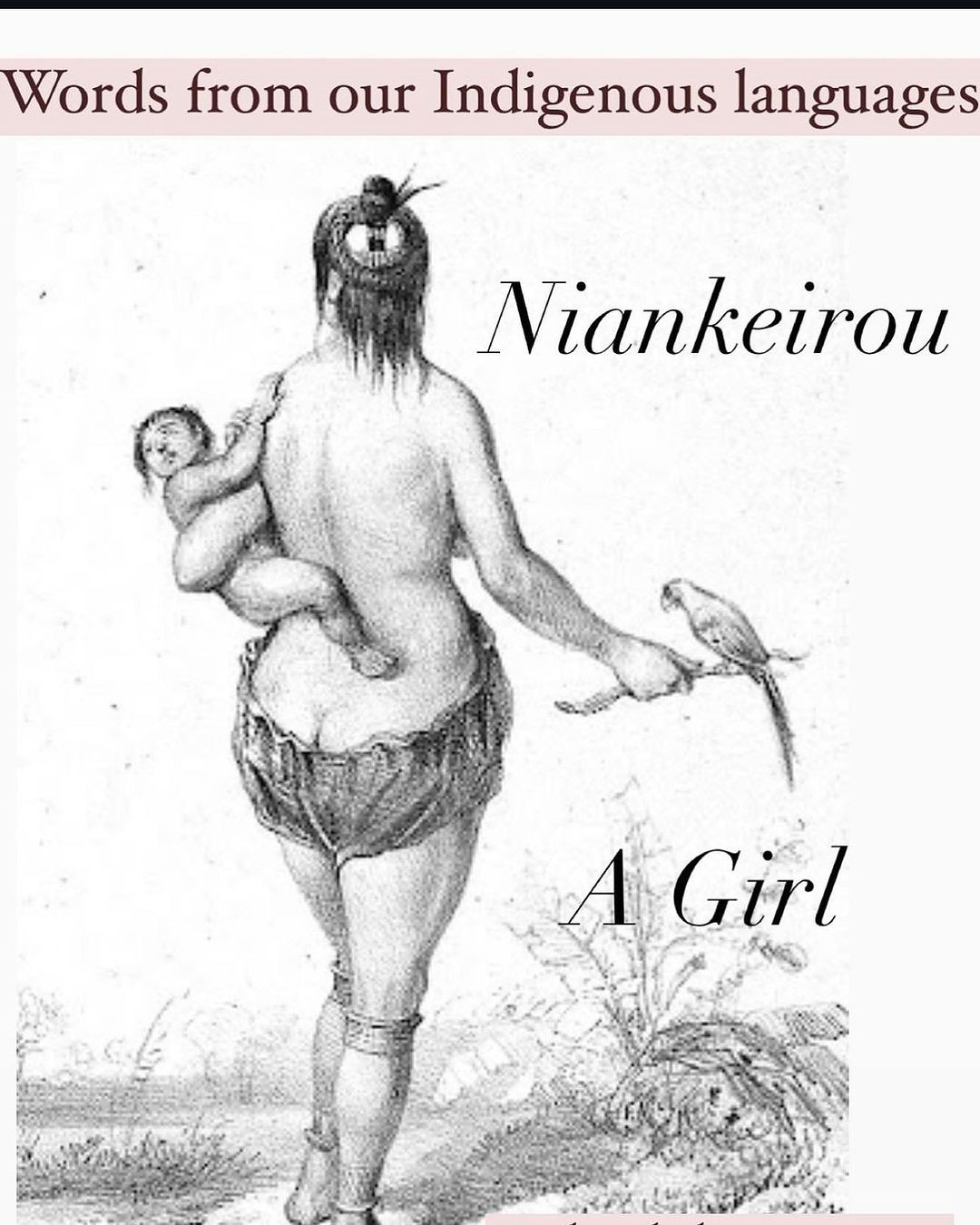
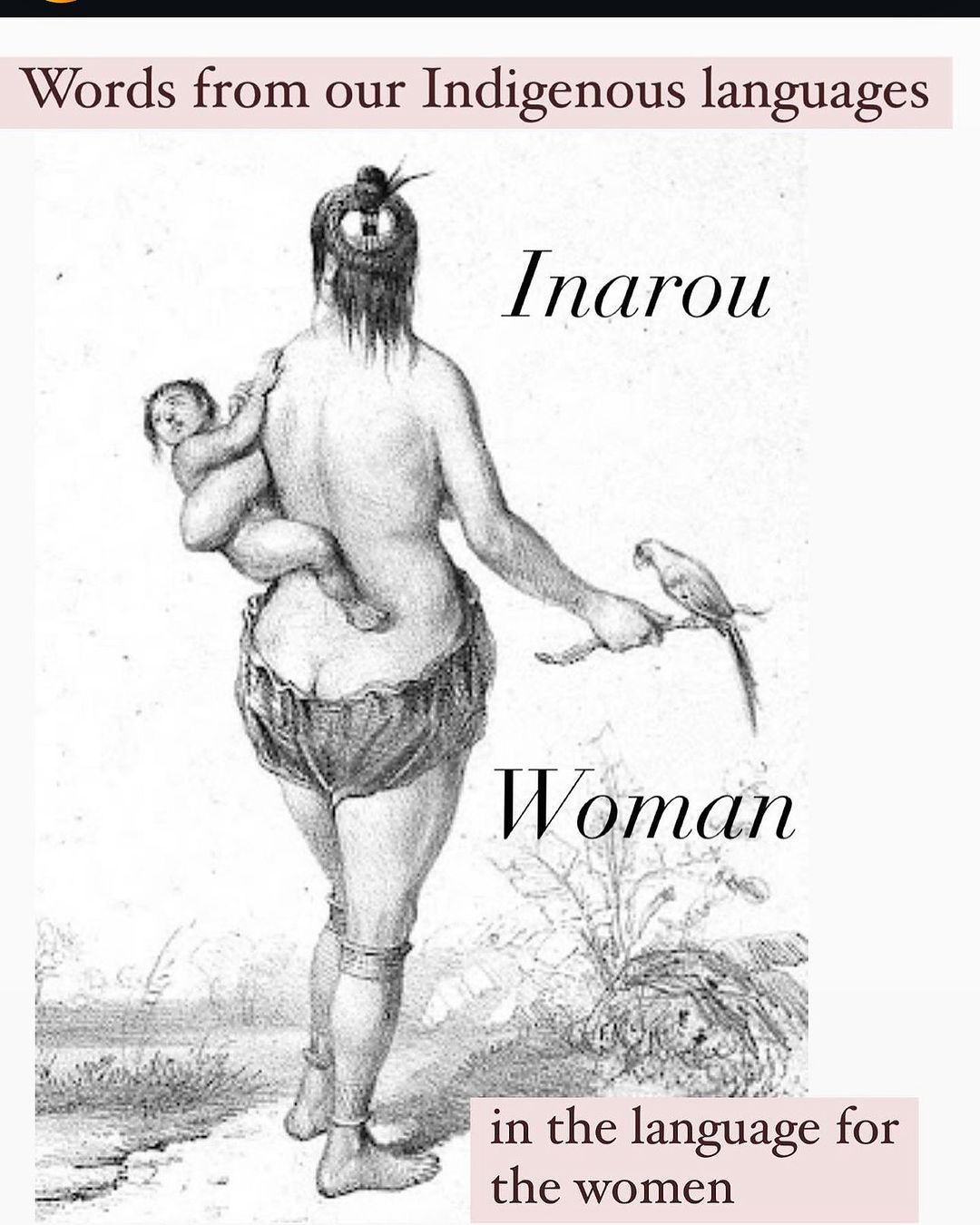
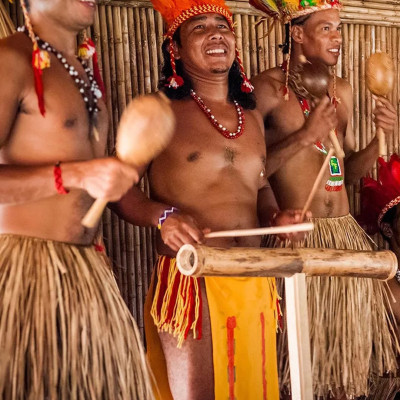
Dominica 🇩🇲 was the last island to be colonised. With that, it remained the final stronghold for the indigenous Kalinago people. (Formerly known by their colonial name - Caribs) Fighting continuously against colonialism, this community did not die out, they still live today in Dominica. (You can learn more about this history via our podcast on all major podcadt platforms).

In 1763, when the British gained absolute control of Dominica, the Kalinago were officially given 232 acres of land, originally dubbed the Carib Reserve. Their territory was expanded to 3,700 acres in 1903.

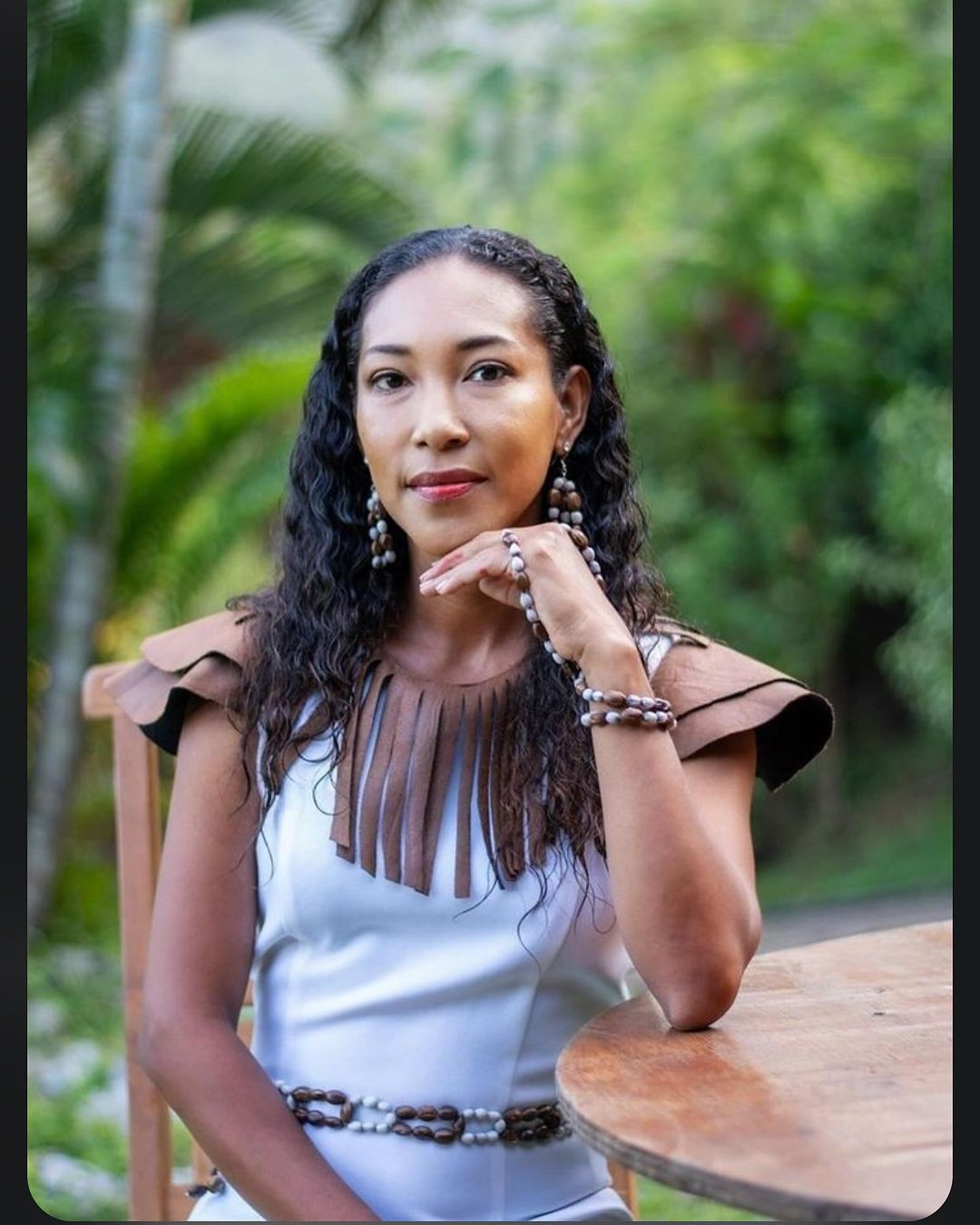
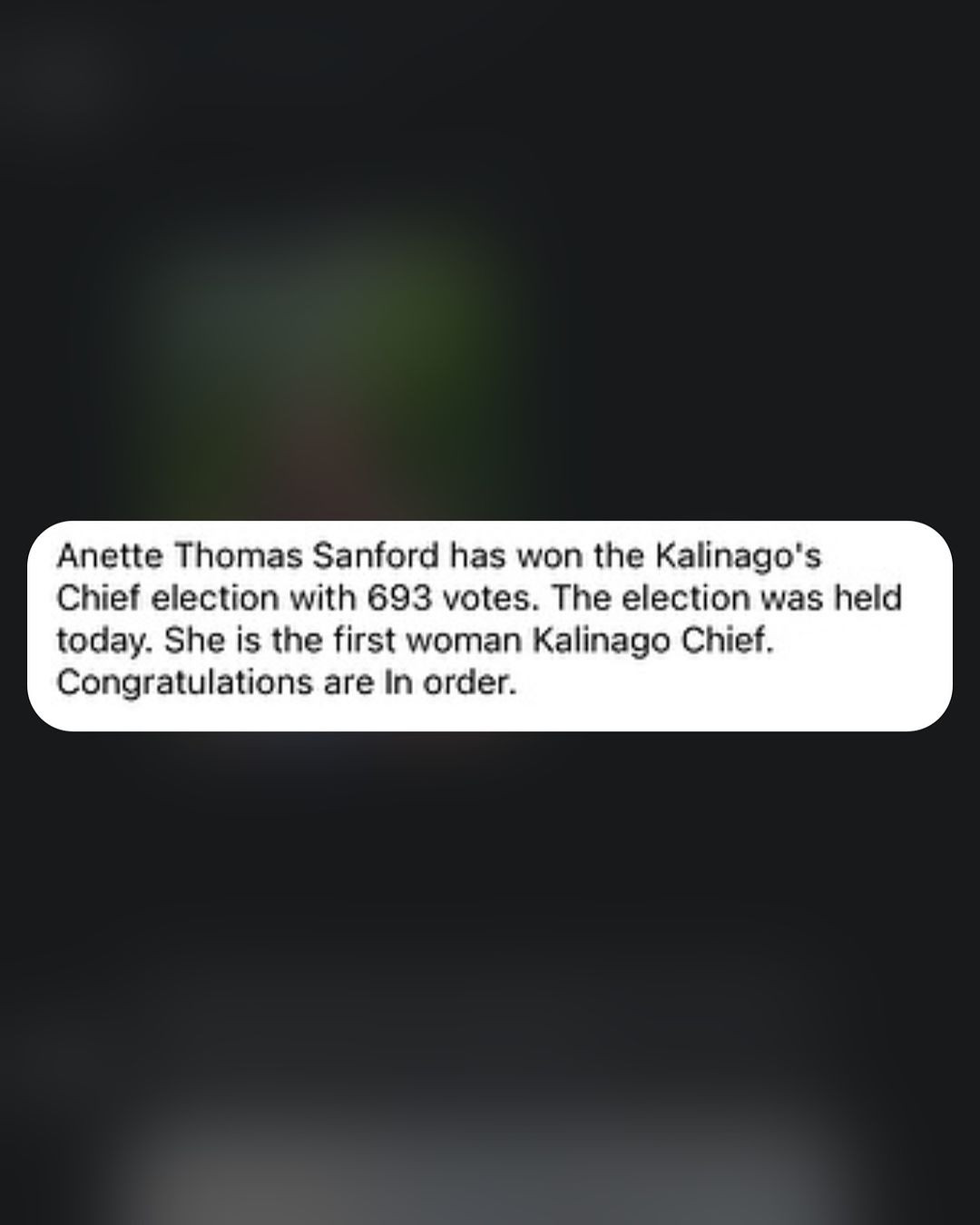
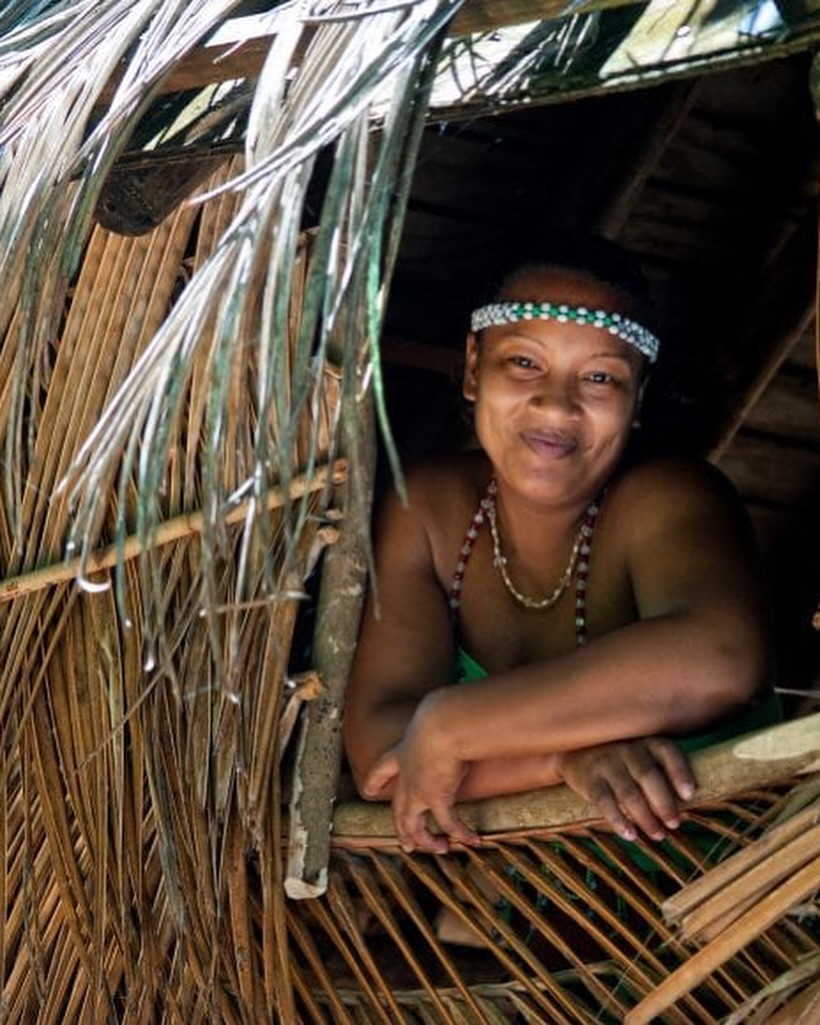
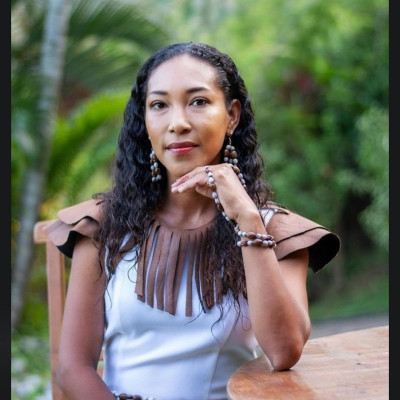
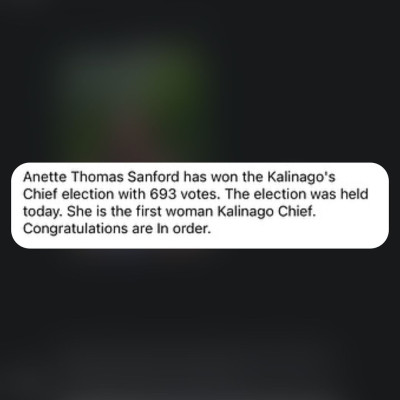
The Kalinagos have their own methods of governance in their territory, and hold elections for who will be their chief, and for the first time, a woman holds this position.

Congratulations to Annette Thomas Sanford.

Have you heard of the Kalinago Territory before?
image
image
image
image
+6
Gefällt mir
Kommentar
createss kai
createss kai    geteilt a  beitrag
2 Jahre

Zay Fucifino
Zay Fucifino  
2 Jahre

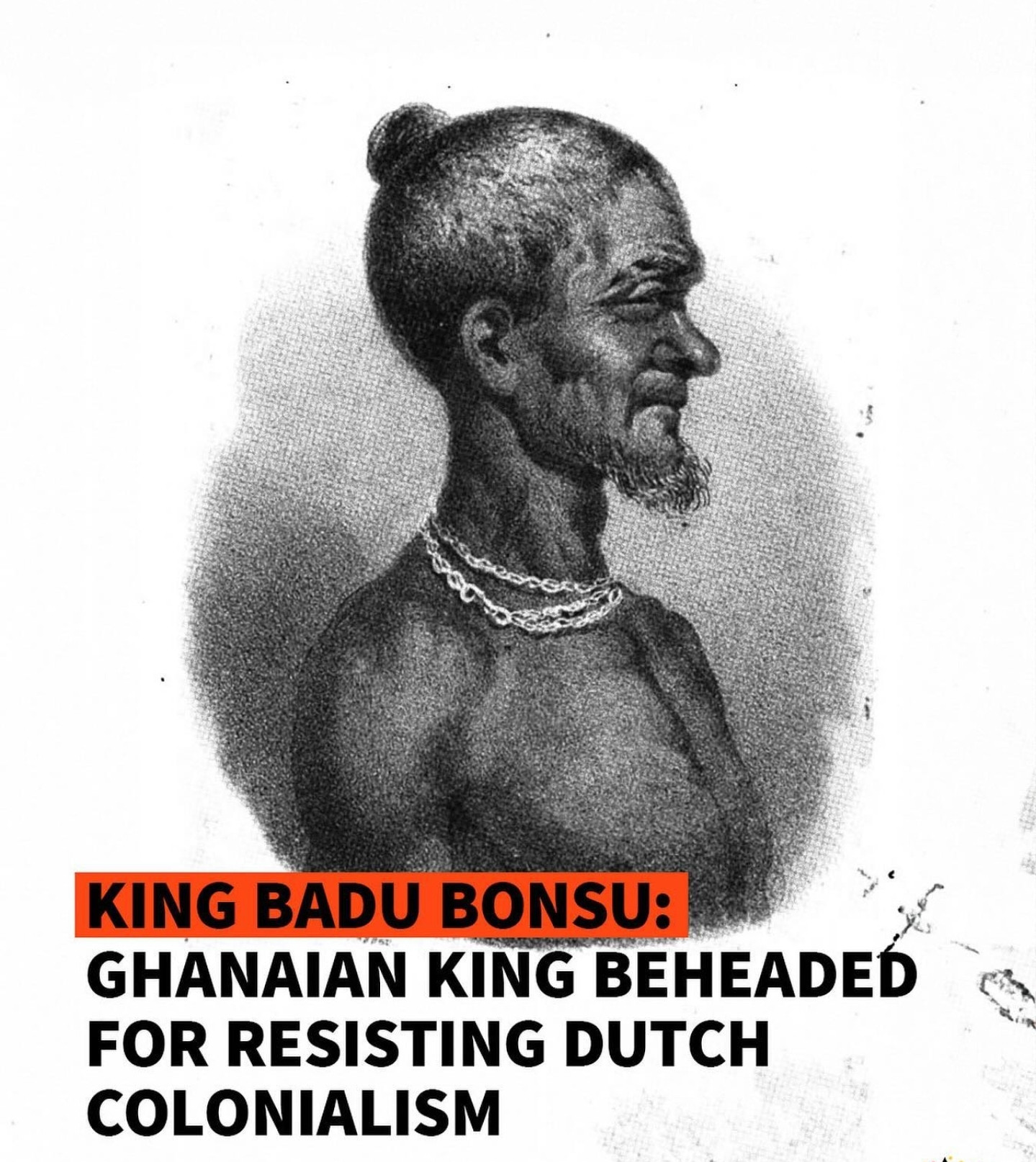
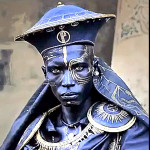
King Badu Bonsu II was a leader of the Ahanta people, an ethnic group in present-day Ghana. In 1838, during a conflict with Dutch colonial forces, he was executed, and his head was taken to the Netherlands as a war trophy. In 2009, after a long campaign by his descendants and the Ghanaian government, his head was returned to Ghana for a proper burial. This event highlights historical injustices during colonial times and the ongoing efforts to rectify them.


On July 27, 1838, King Badu Bonsu II of the Ahanta tribe of today’s nation of Ghana was executed by Dutch colonialists for standing up against their malign activities, which included enslaving his people and selling guns in his kingdom.

The Ahanta people welcomed the Dutch in the spirit of African hospitality when they first arrived in their territory nearly two centuries earlier. However, with the passage of time, it became clear that the Dutch did not have good intentions. This soured relations between the two sides. Things came to a head in 1837 when King Bonsu and his people rebelled against the Dutch colonisers.

It’s said that the then-head of the Dutch colonial outpost in the area sent two of his officials to go out and bring the king to him. Knowing that if he went with them, he would be imprisoned and sent into slavery in the Caribbean, King Bonsu refused to go. An altercation broke out and the two officials opened fire. They were eventually subdued and killed by the king and his people.

This act of resistance incensed the Dutch government, leading it to send mercenary troops from the Netherlands to hunt down the king and his followers.

The mercenaries arrived in May 1838, and, two months later, on 26th July, after a ferocious battle, they managed to capture King Bonsu with the help of some local traitors. They executed him the next day after a sham trial.

After his execution, his head was severed and sent to the Leiden University Medical Centre in the Netherlands, where it was kept inside a jar of formaldehyde (an embalming liquid) until 1997.

After years of lobbying by the Ghanaian government, the head was finally sent back home, allowing Bonsu’s descendants to give their king a befitting burial.

On this day, we salute King Bonsu and the many brave African warriors in history who preferred to pay the ultimate price to bowing down to the wishes of the colonialists.

image
Gefällt mir
Kommentar
createss kai
createss kai  
2 Jahre

image
Gefällt mir
Kommentar
Teilen
Zay Fucifino
Zay Fucifino  
2 Jahre

King Badu Bonsu II was a leader of the Ahanta people, an ethnic group in present-day Ghana. In 1838, during a conflict with Dutch colonial forces, he was executed, and his head was taken to the Netherlands as a war trophy. In 2009, after a long campaign by his descendants and the Ghanaian government, his head was returned to Ghana for a proper burial. This event highlights historical injustices during colonial times and the ongoing efforts to rectify them.


On July 27, 1838, King Badu Bonsu II of the Ahanta tribe of today’s nation of Ghana was executed by Dutch colonialists for standing up against their malign activities, which included enslaving his people and selling guns in his kingdom.

The Ahanta people welcomed the Dutch in the spirit of African hospitality when they first arrived in their territory nearly two centuries earlier. However, with the passage of time, it became clear that the Dutch did not have good intentions. This soured relations between the two sides. Things came to a head in 1837 when King Bonsu and his people rebelled against the Dutch colonisers.

It’s said that the then-head of the Dutch colonial outpost in the area sent two of his officials to go out and bring the king to him. Knowing that if he went with them, he would be imprisoned and sent into slavery in the Caribbean, King Bonsu refused to go. An altercation broke out and the two officials opened fire. They were eventually subdued and killed by the king and his people.

This act of resistance incensed the Dutch government, leading it to send mercenary troops from the Netherlands to hunt down the king and his followers.

The mercenaries arrived in May 1838, and, two months later, on 26th July, after a ferocious battle, they managed to capture King Bonsu with the help of some local traitors. They executed him the next day after a sham trial.

After his execution, his head was severed and sent to the Leiden University Medical Centre in the Netherlands, where it was kept inside a jar of formaldehyde (an embalming liquid) until 1997.

After years of lobbying by the Ghanaian government, the head was finally sent back home, allowing Bonsu’s descendants to give their king a befitting burial.

On this day, we salute King Bonsu and the many brave African warriors in history who preferred to pay the ultimate price to bowing down to the wishes of the colonialists.

image
Gefällt mir
Kommentar
Teilen
Zay Fucifino
Zay Fucifino  
2 Jahre

Dominica 🇩🇲 was the last island to be colonised. With that, it remained the final stronghold for the indigenous Kalinago people. (Formerly known by their colonial name - Caribs) Fighting continuously against colonialism, this community did not die out, they still live today in Dominica. (You can learn more about this history via our podcast on all major podcadt platforms).

In 1763, when the British gained absolute control of Dominica, the Kalinago were officially given 232 acres of land, originally dubbed the Carib Reserve. Their territory was expanded to 3,700 acres in 1903.

The Kalinagos have their own methods of governance in their territory, and hold elections for who will be their chief, and for the first time, a woman holds this position.

Congratulations to Annette Thomas Sanford.

(Pictured in photos 1

Have you heard of the Kalinago Territory before?
image
Gefällt mir
Kommentar
Teilen
Zay Fucifino
Zay Fucifino  
2 Jahre

Dominica 🇩🇲 was the last island to be colonised. With that, it remained the final stronghold for the indigenous Kalinago people. (Formerly known by their colonial name - Caribs) Fighting continuously against colonialism, this community did not die out, they still live today in Dominica. (You can learn more about this history via our podcast on all major podcadt platforms).

In 1763, when the British gained absolute control of Dominica, the Kalinago were officially given 232 acres of land, originally dubbed the Carib Reserve. Their territory was expanded to 3,700 acres in 1903.

The Kalinagos have their own methods of governance in their territory, and hold elections for who will be their chief, and for the first time, a woman holds this position.

Congratulations to Annette Thomas Sanford.

(Pictured in photos 1

Have you heard of the Kalinago Territory before?
image
Gefällt mir
Kommentar
Teilen
Zay Fucifino
Zay Fucifino  
2 Jahre

Dominica 🇩🇲 was the last island to be colonised. With that, it remained the final stronghold for the indigenous Kalinago people. (Formerly known by their colonial name - Caribs) Fighting continuously against colonialism, this community did not die out, they still live today in Dominica. (You can learn more about this history via our podcast on all major podcadt platforms).

In 1763, when the British gained absolute control of Dominica, the Kalinago were officially given 232 acres of land, originally dubbed the Carib Reserve. Their territory was expanded to 3,700 acres in 1903.

The Kalinagos have their own methods of governance in their territory, and hold elections for who will be their chief, and for the first time, a woman holds this position.

Congratulations to Annette Thomas Sanford.

(Pictured in photos 1

Have you heard of the Kalinago Territory before?
image
Gefällt mir
Kommentar
Teilen
Zay Fucifino
Zay Fucifino  
2 Jahre

Dominica 🇩🇲 was the last island to be colonised. With that, it remained the final stronghold for the indigenous Kalinago people. (Formerly known by their colonial name - Caribs) Fighting continuously against colonialism, this community did not die out, they still live today in Dominica. (You can learn more about this history via our podcast on all major podcadt platforms).

In 1763, when the British gained absolute control of Dominica, the Kalinago were officially given 232 acres of land, originally dubbed the Carib Reserve. Their territory was expanded to 3,700 acres in 1903.

The Kalinagos have their own methods of governance in their territory, and hold elections for who will be their chief, and for the first time, a woman holds this position.

Congratulations to Annette Thomas Sanford.

(Pictured in photos 1

Have you heard of the Kalinago Territory before?
image
Gefällt mir
Kommentar
Teilen
Zay Fucifino
Zay Fucifino  
2 Jahre

Dominica 🇩🇲 was the last island to be colonised. With that, it remained the final stronghold for the indigenous Kalinago people. (Formerly known by their colonial name - Caribs) Fighting continuously against colonialism, this community did not die out, they still live today in Dominica. (You can learn more about this history via our podcast on all major podcadt platforms).

In 1763, when the British gained absolute control of Dominica, the Kalinago were officially given 232 acres of land, originally dubbed the Carib Reserve. Their territory was expanded to 3,700 acres in 1903.

The Kalinagos have their own methods of governance in their territory, and hold elections for who will be their chief, and for the first time, a woman holds this position.

Congratulations to Annette Thomas Sanford.

(Pictured in photos 1

Have you heard of the Kalinago Territory before?

image
Gefällt mir
Kommentar
Teilen
Zay Fucifino
Zay Fucifino  
2 Jahre

Dominica 🇩🇲 was the last island to be colonised. With that, it remained the final stronghold for the indigenous Kalinago people. (Formerly known by their colonial name - Caribs) Fighting continuously against colonialism, this community did not die out, they still live today in Dominica. (You can learn more about this history via our podcast on all major podcadt platforms).

In 1763, when the British gained absolute control of Dominica, the Kalinago were officially given 232 acres of land, originally dubbed the Carib Reserve. Their territory was expanded to 3,700 acres in 1903.

The Kalinagos have their own methods of governance in their territory, and hold elections for who will be their chief, and for the first time, a woman holds this position.

Congratulations to Annette Thomas Sanford.

(Pictured in photos 1

Have you heard of the Kalinago Territory before?

image
Gefällt mir
Kommentar
Teilen
Showing 8874 out of 21235
  • 8870
  • 8871
  • 8872
  • 8873
  • 8874
  • 8875
  • 8876
  • 8877
  • 8878
  • 8879
  • 8880
  • 8881
  • 8882
  • 8883
  • 8884
  • 8885
  • 8886
  • 8887
  • 8888
  • 8889

Angebot bearbeiten

Tier hinzufügen


Wählen Sie ein Bild aus
Löschen Sie Ihren Tier
Bist du sicher, dass du diesen Tier löschen willst?

Bewertungen

Um Ihre Inhalte und Beiträge zu verkaufen, erstellen Sie zunächst einige Pakete. Monetarisierung

Bezahlen von Brieftasche

Zahlungsalarm

Sie können die Artikel kaufen, möchten Sie fortfahren?

Eine Rückerstattung anfordern